Early Interceptive Orthodontics in Reno, NV
What is Early Interceptive Orthodontics?
The purpose is to guide smiles in the right direction. Phase 1 treatment is recommended when addressing a specific problem early may help guide jaw development, create room for permanent teeth, improve the way the upper and lower jaws fit together, or prevent an orthodontic concern from becoming more complicated.
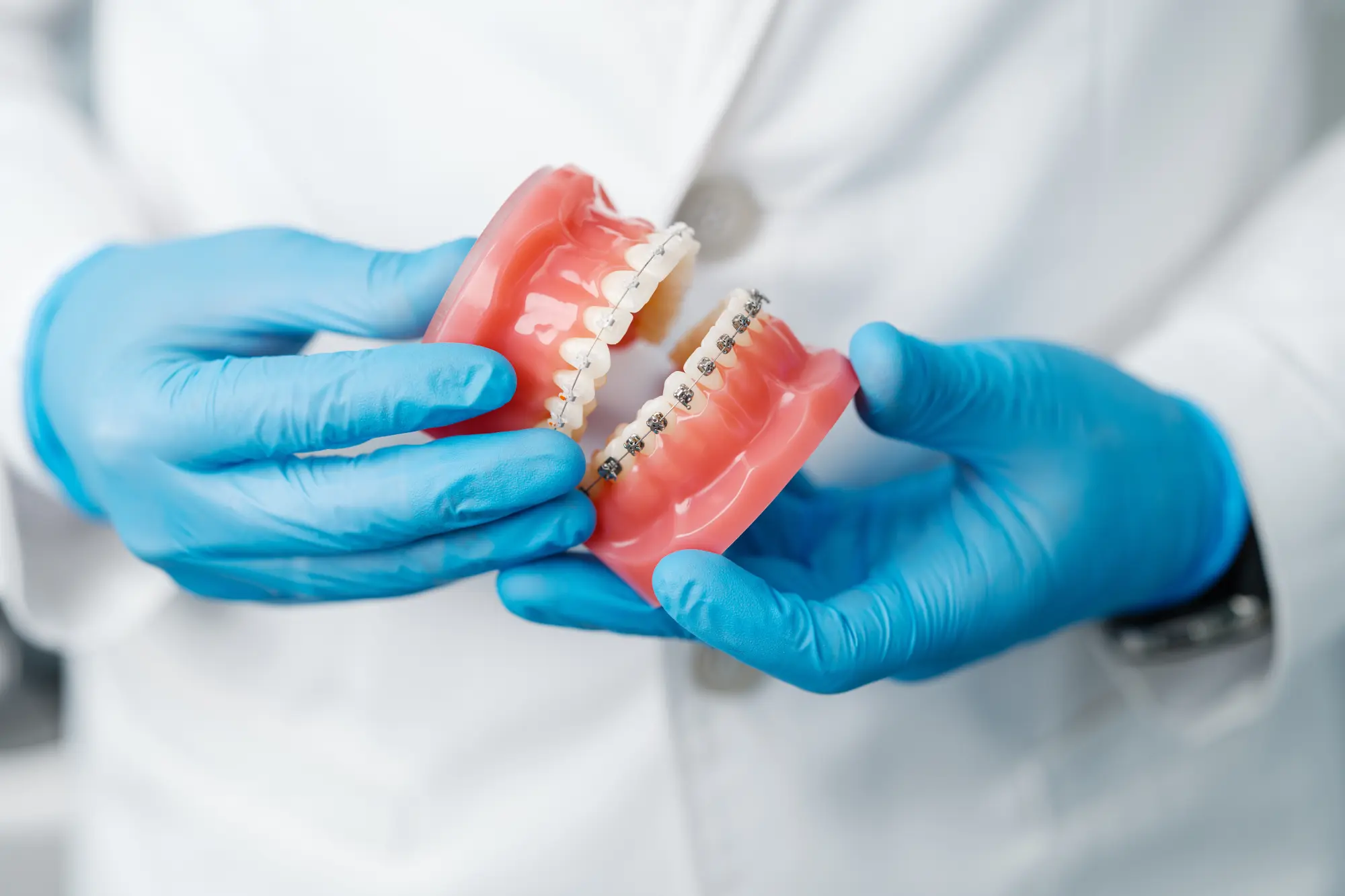
Depending on your child’s needs, early treatment may involve an orthodontic appliance, expansion, limited braces, or another carefully selected approach.
What Can an Early Orthodontic Evaluation Identify?
Even when a child’s smile looks perfectly fine from the outside, there can be changes happening beneath the surface. During an early evaluation, our doctors look at the bigger picture of your child’s developing smile, including:
- Crowding or limited space for permanent teeth
- Crossbites, underbites, or other bite concerns
- Differences in upper and lower jaw growth
- Permanent teeth that are not erupting as expected
- Early or delayed loss of baby teeth
- Teeth coming in at unusual angles or positions
- Habits that may be affecting the teeth or jaw development
- Other growth patterns that may benefit from closer observation
Identifying one of these concerns does not automatically mean your child needs treatment. It simply gives us the information we need to recommend the most appropriate next step.

Early Orthodontic Care Starts with Observation
This is an important part of our personalized approach. We do not believe in treating based on age alone. We recommend treatment based on your child’s individual development and only when there is a clear reason to begin.

Monitoring Your Child as They Grow
During observation visits, our orthodontists can monitor:
- How and when permanent teeth are erupting
- Whether there is enough room for incoming teeth
- How the upper and lower jaws are growing
- Changes in your child’s bite
- Whether an existing concern is improving, remaining stable, or progressing
Through regular observation visits, we can monitor your child’s growth and make sure treatment begins at the right time.
What Happens During an Early Orthodontic Consultation?
No Treatment Needed

Personalized Orthodontics For Growing Smiles
FAQs
Why Age 7 is an Important Orthodontic Milestone
The American Association of Orthodontists recommends that children receive their first orthodontic evaluation by age 7. At this stage, most children have a mix of baby teeth and permanent teeth, giving an orthodontist an early look at how the teeth are coming in and how the jaws are developing.
Seven is not necessarily the age to start braces. In fact, many children who come to see us at this age do not need treatment right away, which is why we offer free consultations!
Instead, an early evaluation allows our orthodontists to identify concerns that may be easier to address during growth, while also recognizing when the best approach is simply to wait and monitor.
What is Phase 1 Orthodontic Treatment?
Phase 1 orthodontics is limited early treatment performed while a child still has a combination of baby and permanent teeth. Its purpose is usually to address a specific bite, jaw growth, spacing, or eruption concern rather than complete the child’s entire orthodontic treatment.
Will My Child Still Need Braces Later?
Possibly. Phase 1 treatment and comprehensive orthodontic treatment have different goals. Some children who receive early treatment may still benefit from braces or clear aligners once more of their permanent teeth have erupted. We will discuss what you can reasonably expect based on your child’s individual situation.
What if My Child is Already Older Than 7?
It is never too late! Age 7 is a recommended time for an initial evaluation, not a deadline for orthodontic care. If your child has never seen an orthodontist, we can evaluate their smile at any age and determine whether treatment is needed now or in the future.
Do I Need a Referral From My Child's Dentist?